


When starting out with the ketogenic diet, there’s always debate about the “correct path,” but the core principle is choosing whole foods that truly support ketosis. Unlike the traditional pyramid, this version prioritizes healthy fats, helping the body smoothly switch fuel sources while providing satiety and nutritional balance.
Two Key Principles of Ketogenic Diet: Macronutrients and Whole Foods
Macronutrient Proportions: The Key Ketosis requires approximately 70% of daily calories from fat, 25% from protein, and 5% from carbohydrates. This allows the body to shift from glycogen to fat burning, entering an efficient ketogenic state.
Prioritize Whole Foods, Avoid Empty Fat While simply piling on fats can promote ketosis, it easily leads to nutritional deficiencies and weight rebound. Prioritize minimally processed, natural ingredients to ensure each meal is both flavorful and provides essential micronutrients.
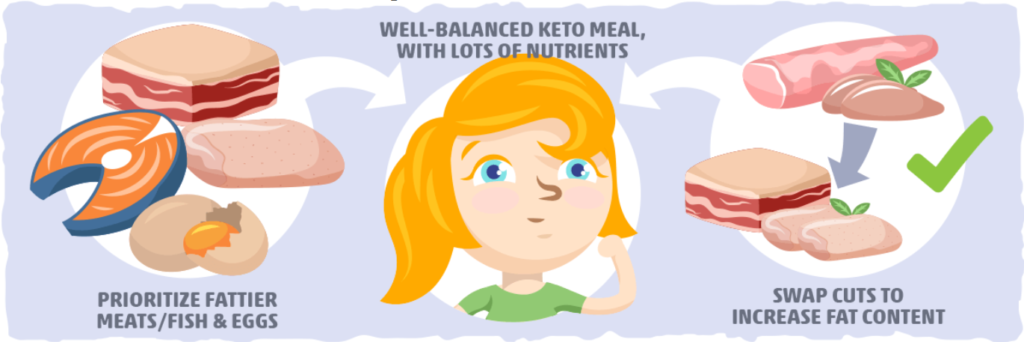
Base Layer of the Pyramid: High-Fat Meats, Seafood, and Eggs (50%+ Fat)
These are the mainstays of each meal, providing palm-sized portions (approximately 85-170 grams), with over half of the calories coming from fat.
- Top-Tier Fish: King salmon, sardines in oil, mackerel, herring, eel.
- Fat Cuts of Meat: Chicken thighs with skin, duck legs, bacon, pork belly, pork shoulder, pork tenderloin (not lean), pork chops, T-bone steak, ribeye steak, oxtail, lamb rump, lamb leg, lamb chops, fresh sugar-free sausage, whole eggs.
- Secondary Choices (40-50% Fat): Beef brisket, beef tenderloin, filet mignon, New York striped steak, 70% lean ground beef—can be enhanced with cheese or butter.
Practical Tips: Choose budget-friendly cuts with skin and bone, such as chicken thighs over chicken breast, and pork shoulder over tenderloin, as these provide collagen and a feeling of fullness.
Second Layer: Lean Meats and Seafood (Fat <40%)
Supplement with these when high-fat options are unavailable, but halve the portion size and add extra fat.
- Pork tenderloin, pink salmon, sockeye salmon, cod, tuna, trout, turkey, chicken breast, chicken wings, duck breast, sea bass, shellfish, tenderloin steak, ribeye steak, beef liver, beef heart, 70% lean ground meat.
Pairing Tips: Drizzle with avocado, olives, or cheese to ensure overall fat intake meets the recommended level.
Third Layer: Low-Carb Vegetables and High-Fat Fruits
At least a handful per meal to provide fiber and antioxidants for a smoother transition.
- High-Fat Fruits: Avocado, olives.
- Leafy Greens: Spinach, arugula, salad greens.
- Cruciferous Vegetables: Broccoli, kale, cauliflower, cabbage, Brussels sprouts.
- Nightshade family: Tomato, eggplant, bell pepper.
- Flavor enhancers: Onion, garlic, mushroom, herbs.
Fourth Layer: High-Quality Dairy Products (1-2 servings/meal)
Adds texture and flavor, but can easily lead to stagnation if consumed in excess. Choose high-fat, low-carb options.
- Grass-fed butter/shortening, heavy cream, various cheeses.
Note: Carefully read nutrition labels to avoid hidden carbohydrates.
Fifth Layer: Nuts and Seeds (One palmful daily)
High-fat snacks; consume in moderation to prevent excessive carbohydrate intake.
- Nuts: Pecans, Brazil nuts, macadamia nuts, walnuts, hazelnuts, peanuts, almonds.
- Seeds: Flax, hemp, chia, sunflower seeds, sesame seeds, pumpkin.
Top of the Pyramid: Low-Carb, Low-Fat Fruits
Add flavor, not essential, a small handful daily.
- Star fruit, blackberries, raspberries, strawberries, rhubarb, blueberries, coconut meat, lemons, limes, melons.
Secrets to Upgrading Fat and Flavor
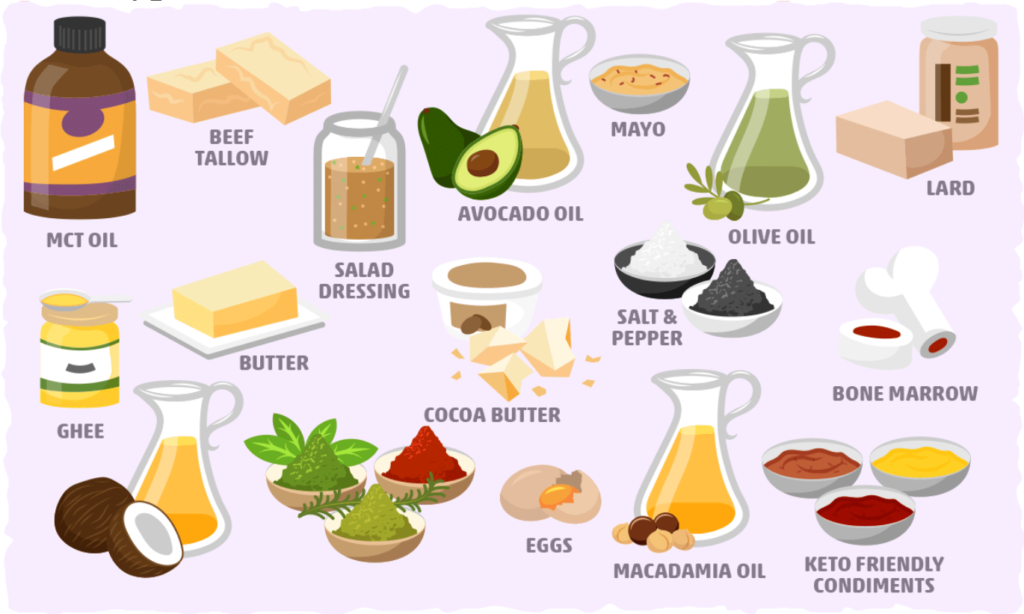
Adding Fat (1-2 tablespoons): Grass-fed butter, lard, pork cracklings, extra virgin olive oil, coconut oil, MCT oil, avocado oil, bone marrow, buttered egg yolks, unsweetened mayonnaise.
Adding Flavor (Zero Calories): Herbs, spices, salt and pepper, unsweetened sauces (such as barbecue sauce, ketchup, hot sauce, mustard).
Preferred Beverages: Pure water, sparkling water, black coffee (<500mg caffeine), unsweetened tea, bone broth, naturally zero-carb sweetened beverages. Limit alcohol to dry red wine, low-carb beer, and unsweetened sparkling wine.
Strictly Avoid: High-Carb Traps
- Grains: Wheat, corn, rice, bread, baked goods.
- Legumes: Beans, lentils, chickpeas.
- Sugars: Honey, maple syrup.
- High-sugar fruits: Apples, bananas, oranges.
- Starchy vegetables: Potatoes, sweet potatoes.
- High-carb drinks: Soft drinks, fruit juice, regular beer.
Quick Reference: Net carbs per serving should ideally be <10g; calculate fat percentage (fat grams × 9 ÷ total calories × 100), aiming for approximately 70%.
Daily Plate Blueprint
- Main Course: 1-2 handfuls of high-fat meat/fish/eggs.
- Side Dishes: 1-2 handfuls of low-carb vegetables/high-fat fruits.
- Dairy Products: 1-2 servings of high-fat dairy products.
- Fat Supplements: Nuts or oils.
- Seasonings: Fruits/herbs/sauces.
Maintain hydration, monitor adaptation (e.g., ketosis), and personalize macro-alcohol intake to achieve your goals.
This pyramid is not a rigid rule, but a flexible framework. By taking a gradual approach and building a foundation with whole foods, you’ll discover that ketosis is not just about weight loss, but also a path to regaining vitality and lasting health.


