


The Real Challenges of Weight Management
Many people find it easy to lose weight on a ketogenic diet, but maintaining that weight is much more difficult. While ketosis is hailed as a “cure” for weight loss, it’s not a panacea. The real secret lies in following a whole-food-based diet and avoiding over-reliance on highly processed products. This not only increases satiety but also naturally reduces calorie intake, aiding in sustained fat burning.
Common Triggers of Weight Gain
1. Excessive Intake of Pure Fat and Oils
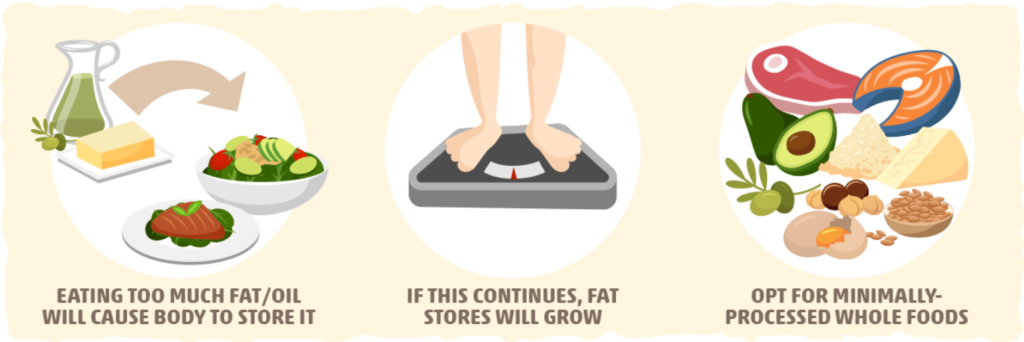
Many ketogenic dieters neglect fat regulation, resulting in excessive consumption of pure fats like butter and coconut oil in their meals. After the body burns these fats, the excess energy is converted into body fat and stored, leading to weight gain. It’s recommended to reduce excess oils and prioritize whole, nutrient-dense foods such as fresh meat, fish, and avocados to improve overall satisfaction and nutritional value.
2. Overconsumption of High-Fat Snacks
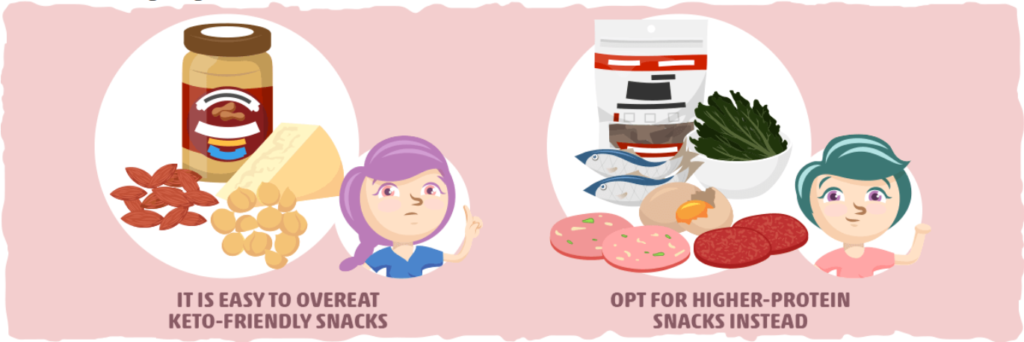
Low-carb nuts, nut butters, and full-fat cheese are healthy snacks, but excessive consumption can lead to excessive calorie intake. Choose low-calorie, high-protein snacks such as boiled eggs, sugar-free jerky, and pickled vegetables, which can suppress hunger without causing overeating.
3. Inadequate Dietary Nutrition
Relying on highly processed ketogenic snacks can easily lead to a lack of vitamins and minerals, which can actually increase hunger. Ensuring meals include plenty of leafy green vegetables, high-quality protein, and healthy fats is key to sustainable weight loss.
4. Underestimating Actual Food Intake
Many people underestimate their actual food intake when calculating meal portions, resulting in excessive calorie intake and weight gain. Accurately using a ketogenic calculator to determine your macronutrient needs and meticulously tracking calorie intake is the first step in solving this problem.
5. Days of “Indulgence” to Lose Control
While an occasional “late-night snack” may relieve food fatigue, it can lead to the intake of large amounts of carbohydrates and calories, causing weight rebound. Drinking alcohol can easily lead to overeating, so the frequency and amount should be strictly controlled.
Hidden Enemies Interfering with Fat Loss
6. The Profound Impact of Alcohol Intake
Alcohol is not only high in calories, but it also impairs sleep quality, disrupts blood sugar and ketone body production, and hinders the fat loss process. It is recommended to limit alcohol intake, choose low-carb alcoholic beverages, and strictly control the total amount consumed.
7. Chronic Stress and Sleep Deprivation
Stress and insomnia stimulate appetite hormones, promoting fat accumulation. Meditation, journaling, and regular exercise can help reduce stress and improve sleep quality, which are effective ways to promote weight management.
8. Reduced Daily Activity Leads to a Slower Metabolism
When dieting, the body may spontaneously reduce activity to conserve energy, resulting in reduced calorie expenditure. Maintaining moderate daily exercise, such as walking, gardening, and yoga, is effective in helping to break this physiological protective mechanism.
Clarifying Misconceptions: Understanding Weight Issues in Ketosis
- Question about Restricting Protein Intake: Adequate protein intake is crucial for controlling hunger and preventing muscle loss; excessive restriction can be counterproductive.
- Extreme Ketosis Isn’t the Only Goal: Maintaining moderate ketosis is sufficient; excessively pursuing deep ketosis can increase the burden on the body and is difficult to sustain.
- Constantly Reducing Carbohydrate Intake Isn’t Necessary: Once in ketosis, excessively low carbohydrate intake can create additional stress and make the diet more difficult; adjustments should be made based on individual circumstances.
Strategies for Coping with Hunger and Weight Rebound
Balanced Eating, Avoiding Extremes
Consuming enough protein and healthy fats to feel full, avoiding drastic calorie restriction, and maintaining a stable weight loss pace (1-2 pounds per week is ideal) is key.
Choosing Snacks and Drinks Wisely
Choose protein-rich, low-calorie snacks and use ketogenic coffee containing MCT oil to suppress appetite and boost energy.
Develop Healthy Lifestyle Habits
Prioritizing sleep, employing stress-reduction exercises, and engaging in moderate exercise are all indispensable parts of healthy weight loss.
By finding a suitable balance between diet, lifestyle, and activity, the ketogenic diet is not just a short-term weight loss tool, but a lifestyle for continuously shaping a healthy physique. Avoid blindly pursuing extreme weights; steadily adhering to scientific principles is the only way to prevent weight rebound and enjoy the long-term benefits of both improved physique and health.


